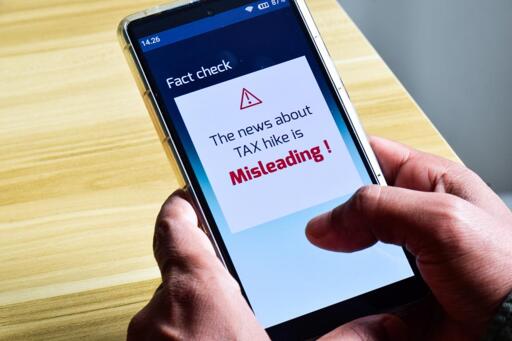
Fact-checking has emerged as one of the most prominent policy tools to combat the spread of misinformation, but critics have argued that it infringes upon freedom of expression and that it has no meaningful impact on the circulation of misinformation. This column provides evidence from the field that fact-checking significantly reduces engagement with posts on Facebook rated as false and also decreases users' subsequent activity. The findings suggest that the impact of fact-checking primarily results not from Facebook’s actions to hide or demote content, but rather from users’ behavioural responses, challenging the idea that it suppresses free speech.


The burden of proof and discovery makes the goal of information too complicated for many. The more complex a system, the more it’s likely to fail.
And when it’s a technochristofascist authoritarian government or it’s media allies being the ‘fact’ checker? We cannot rely on institutions or arbiters as the gate keepers of accuracy.
My solution would be to teach people to be skeptical, how to recognise biases, and how to fact check on their own.
you’re talking about critical thinking, which is also under vicious attack by the GOP, but yes, i agree: when the fact-checkers belong to the very people who are spreading not-facts, then what do you have?
does this mean we should dismiss fact-checking as a thing people should do? because–make no mistake-- the end goal here is for you to have the mindset that “whatever dear leader says is absolute truth, and anything else is fake news”
you can literally see this in trump supporters.