

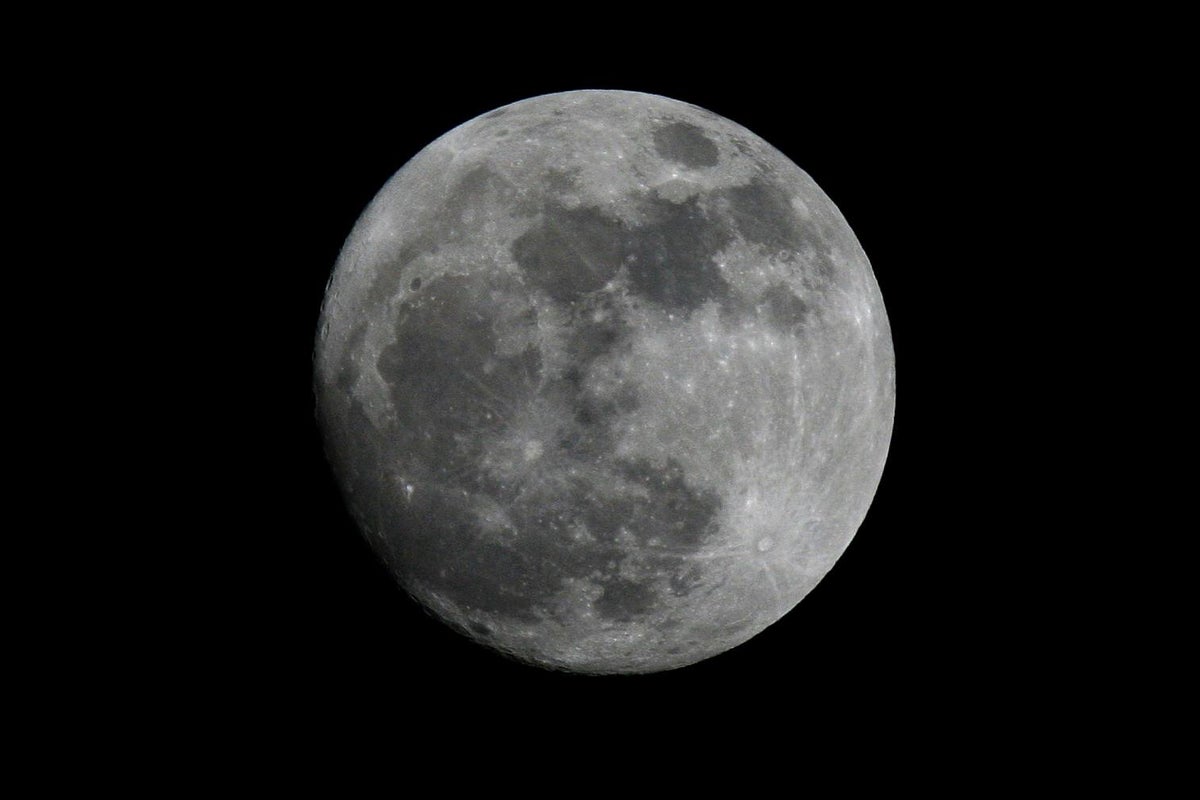
Russia is reportedly planning to establish a nuclear power plant on the moon within the next decade.
This ambitious project aims to supply energy for its lunar space programme and a joint research station with China, as global powers intensify their efforts in lunar exploration.
Historically, Russia has held a prominent position in space, notably with Yuri Gagarin’s pioneering journey in 1961.
However, its dominance has waned in recent decades, with the nation now trailing behind the United States and, increasingly, China.
The country’s lunar aspirations faced a significant setback in August 2023 when its uncrewed Luna-25 mission crashed during a landing attempt.
Furthermore, the landscape of space launches, once a Russian speciality, has been revolutionised by figures such as Elon Musk, adding to the competitive pressure.
There are spacecrafts that currently require cooling for electronics or for nuclear reactors or wtv. You can’t use convection (a fluid, such as the atmosphere, contacting what you want to cool), but you can cool using radiation. Just emit extra energy as radiation and you can keep whatever cool
We’re talking about the output of the nuclear reactor. Not heat generated by a few computer. There are no radiator design that can deal with that kind of heat.
Sci-fi shows either just hand wave it away by just putting massive radiators on things and hope you don’t think about the scale or they just straight up ignore it.
In those cases you would use smaller reactorssuch as these. Alternatively you may be able to use the moon as a heat sink, kinda like reverse geothermal energy
If there’s a limit to how much heat a surface can radiate, cooling a more intense heat source just requires more surface area to radiate heat from.